


IronAgro: Nanotechnology for Sustainable Agriculture

Updated: Aug 7

A Smarter Way to Overcome Iron Deficiency
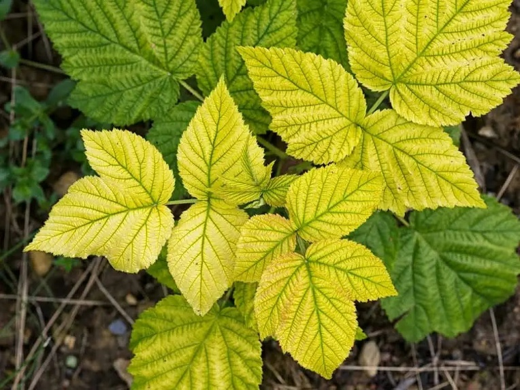
Iron deficiency is a major micronutrient limitation in agriculture, particularly in calcareous, alkaline, and over-irrigated soils where iron becomes chemically immobilized and unavailable to plants. Without sufficient iron, plants cannot produce enough chlorophyll, leading to yellowing leaves (chlorosis), reduced photosynthesis, stunted growth, and ultimately lower crop yields. Although conventional iron fertilizers are widely used, much of the iron becomes fixed in the soil before plants can absorb it, resulting in inefficient nutrient uptake and repeated fertilizer applications.
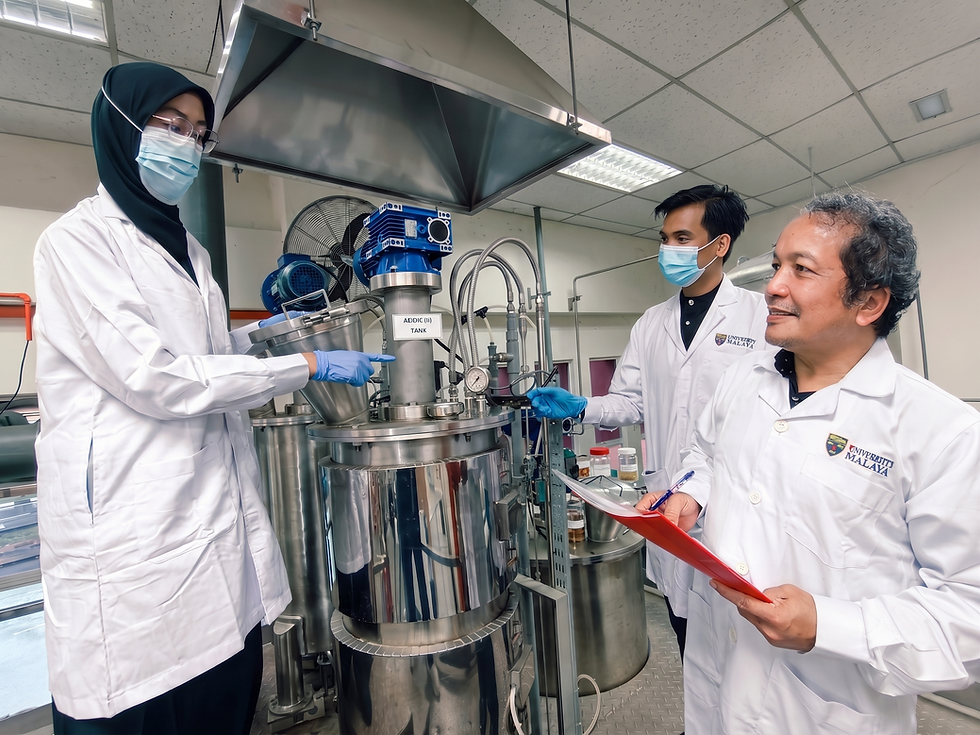
To overcome these challenges, researchers at the Nanotechnology & Catalysis Research Centre (NANOCAT®), Universiti Malaya have developed NANOCAT® IronAgro, a nano-enabled iron fertilizer designed to improve iron delivery while reducing fertilizer losses. Led by Professor Dr. Mohd Rafie Johan, Director of NANOCAT®, together with Research Officer Dr. Durga Devi, the project applies nanotechnology to help plants absorb iron more efficiently, supporting healthier crops and more sustainable agricultural practices.
Led by Professor Dr. Mohd Rafie Johan, Director of NANOCAT®, together with Research Officer Dr. Durga Devi, the project applies nanotechnology to help plants absorb iron more efficiently, supporting healthier crops and more sustainable agricultural practices.
IronAgro contains 23% Fe₃O₄ iron oxide magnetic nanoparticles with an average particle size of just 20 nm, formulated as an alkaline slurry for foliar or root application. Unlike conventional iron fertilizers, these nano-sized particles provide a gradual release of iron ions, improving nutrient availability while minimizing nutrient fixation and leaching losses. The result is more efficient iron uptake using a much smaller amount of fertilizer.
In laboratory studies, IronAgro demonstrated up to a 50% improvement in plant growth. Farmers can also observe practical benefits, including greener leaves and reduced yellowing caused by iron deficiency. Another advantage is its low application rate, at only 1 mL of slurry is required for every 10 mL of water. More recently, the formulation has also shown promising results in hydroponic systems.
From a Simple Observation to an Innovative Product

Pilot Plant Production Capacity:
❖ 100 kg per batch
❖ 800 kg/month
⮚ MOQ: 100 kg
Interestingly, IronAgro began with an unexpected observation.
Since 2021, the NANOCAT® team had been producing iron oxide nanoparticles through a collaborative research project with Hartalega. As part of that project, they established a pilot plant capable of producing up to 100 kg of iron oxide nanoparticles. Once the project ended, the researchers began exploring other ways the facility and materials could be utilised.
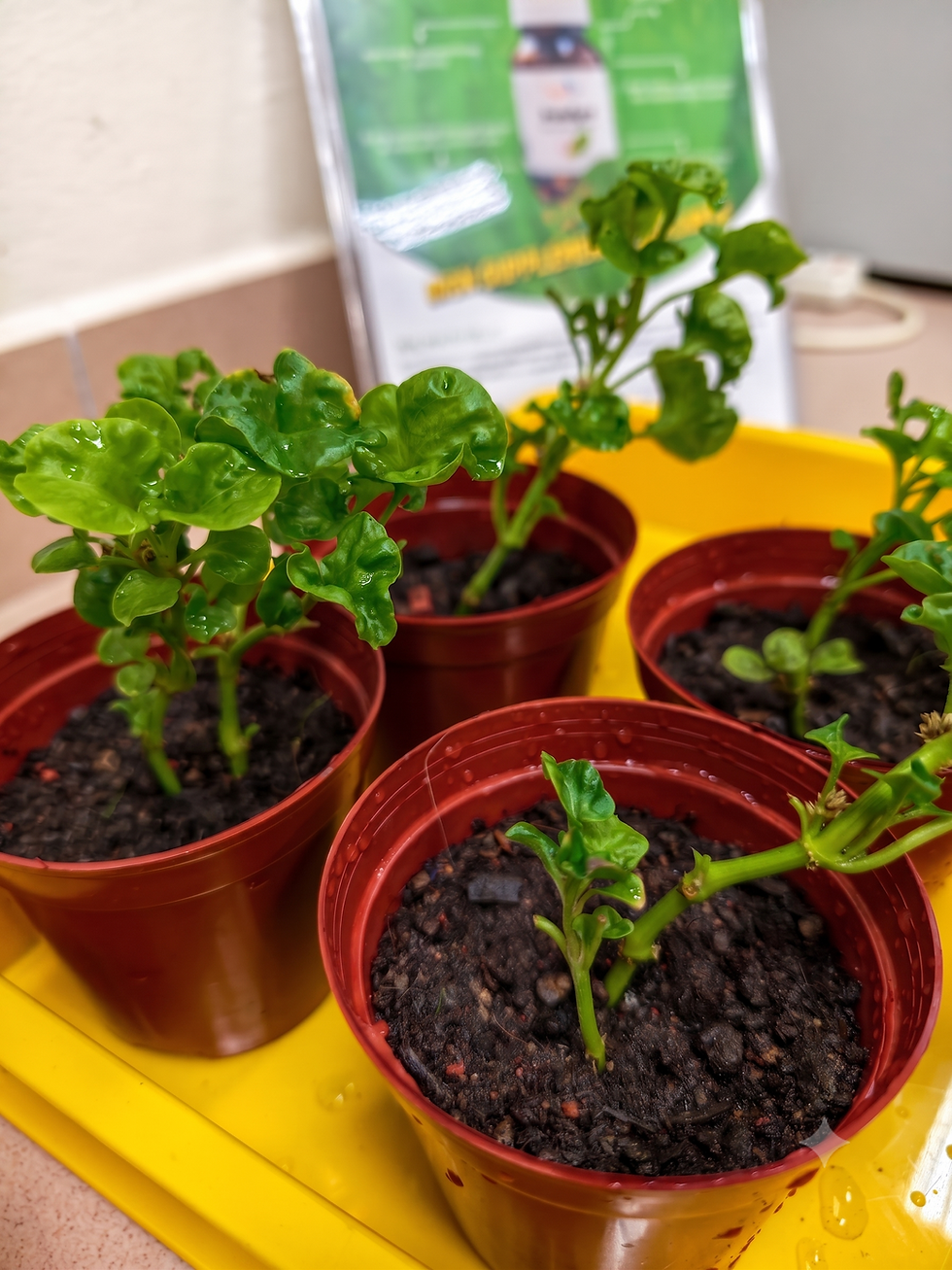
During the Movement Control Order (MCO) in 2022, one of the team's research assistants, who enjoys gardening, decided to test the leftover iron oxide slurry on her Brazilian spinach (bayam Brazil). She carefully monitored the plants each week and compared their growth with untreated plants.
After only one month, the plants treated with the iron oxide slurry showed approximately 50% greater growth. That simple experiment sparked the idea of developing IronAgro into a nano-enabled iron fertilizer for agriculture.
Moving from the Laboratory to the Field
Having produced encouraging results in laboratory and home-scale testing, IronAgro has now entered the field validation stage. The research team is currently collaborating with farmers and industry partners to conduct trials on crops such as pitaya and paddy, allowing the technology to be evaluated under actual farming conditions before wider commercial adoption.
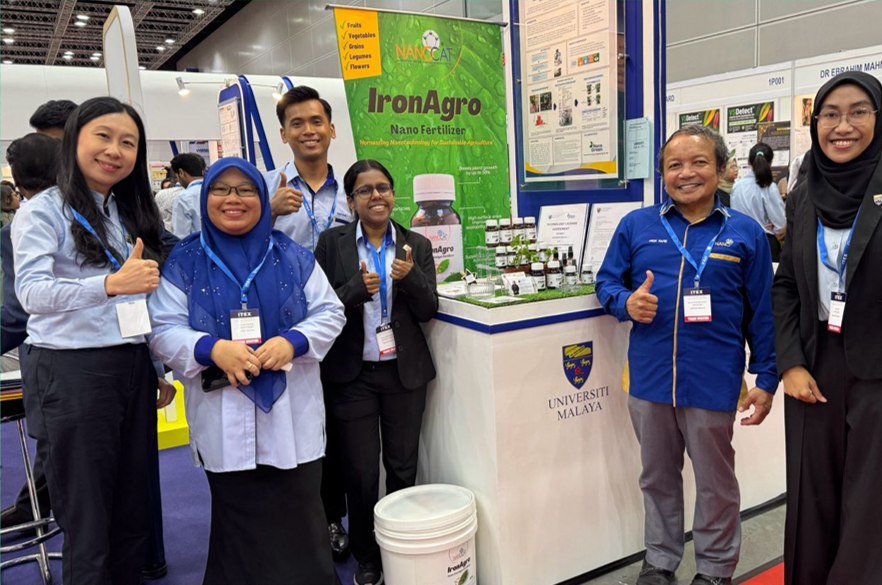
The product also attracted strong interest during the International Invention, Innovation, Technology Competition & Exhibition (ITEX). Among the feedback received from agricultural companies was the suggestion to offer IronAgro in a ready-to-use formulation instead of a concentrated slurry, making it more convenient for farmers to apply directly. The team is currently exploring this improvement as part of its commercialization strategy.
Today, IronAgro has entered its early commercialization phase. The technology has been licensed to Nano Green, discussions are ongoing with industry partners to support larger-scale field trials, and plans are underway to make the product available through Shopee, allowing both farmers and home gardeners easier access to the technology.
Towards More Sustainable Farming
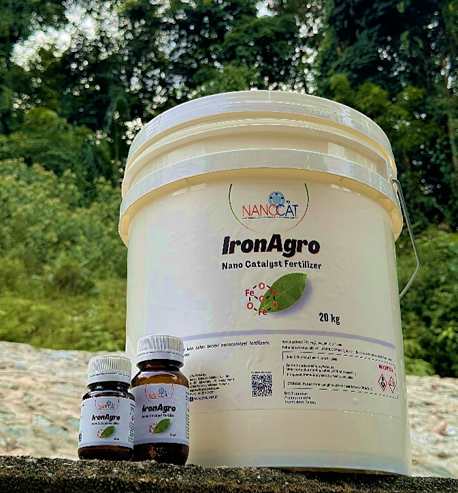
Like many nanotechnology-based products, IronAgro presented several technical challenges during development. One of the biggest was the magnetic nature of iron oxide nanoparticles, which naturally attract one another and tend to agglomerate or clump together. Rather than producing a dry powder, the researchers formulated IronAgro as a stable slurry to keep the nanoparticles well dispersed and easier to apply. Safety was another important consideration. The formulation was tested by National Orthopaedic Centre of Excellence for Research and Learning (NOCERAL) (Universiti Malaya) and Advanced Medical and Dental Institute (IPPT) (Universiti Sains Malaysia), where it was confirmed to be non-toxic and non-pyrogenic, making it safe for use on fruits and vegetables.
Beyond the technical aspects, encouraging adoption among farmers remains another important challenge. As with any new agricultural technology, many farmers prefer to see successful field results and hear positive experiences from other growers before adopting it themselves. The team's current focus is therefore on conducting large-scale field trials, obtaining the necessary approvals, and working closely with industry partners to build confidence in the product.
Future Outlook for IronAgro
Looking ahead, the researchers see great potential in collaborating with fertilizer manufacturers and agrochemical companies to integrate IronAgro into existing fertilizer products and bring high-efficiency nano-enabled fertilizers to a wider market.
Beyond improving crop productivity, IronAgro also supports Malaysia's broader goals for food security and sustainable agriculture. By improving nutrient efficiency while reducing fertilizer wastage, the technology contributes to more environmentally responsible farming practices. It also aligns with several United Nations Sustainable Development Goals, including SDG 2 (Zero Hunger), SDG 12 (Responsible Consumption and Production), and SDG 13 (Climate Action).
As global agriculture faces increasing pressure to produce more food while using resources more efficiently, innovations such as IronAgro demonstrate how nanotechnology can provide practical solutions to real-world challenges. What began as a simple observation in a small gardening experiment has grown into a promising technology that could help farmers cultivate healthier crops while building a more sustainable future.
Watch here for more:
Researchers featured:

Prof. Dr. Mohd Rafie Bin Johan
Director, Nanotechnology and Catalysis Research Centre, Universiti Malaya
For inquiries, please contact:
T: + 603-79676959
SCOPUS ID: https://orcid.org/0000-0003-1133-9977

ChM. Dr. Durga Devi Suppiah
Senior Research Officer, Nanotechnology & Catalysis Research Centre
(NANOCAT), Universiti Malaya
Author:
Farah Hannan Abd Nasir

A PhD student from the Physics Department who’s eager to blend science and storytelling - my goal is to make science relatable and exciting for everyone. When I’m not researching organic electronics, I enjoy playing the viola and painting with watercolours.
Copyedit:
Siti Farhana Bajunid Shakeeb Arsalaan Bajunid, Assistant Registrar, UM


Comments